Caring for an elderly loved one at home involves much more than helping with daily tasks. It means creating an environment where they can feel safe, respected, comfortable, and as independent as possible. For many older adults, staying in a familiar home can provide a sense of comfort and stability.

Creating a safe and comfortable home environment helps older adults preserve their independence and dignity. (Photo: Unsplash)
Good home care does not have to be complicated. Small changes such as improving lighting, organizing medications, encouraging regular movement, and making time for conversation can make everyday life easier for both older adults and their caregivers.
Whether you are caring for a parent, grandparent, spouse, or another elderly family member, these 10 practical tips can help you provide safer and more supportive care at home.
1. Create a Safe and Comfortable Living Environment
Home safety should be one of the first priorities when caring for an older adult. Falls can be particularly serious for older people, so reducing common household hazards is an important part of prevention.
Start by removing loose rugs, cluttered walkways, poorly placed electrical cords, and other obstacles. Improve lighting in hallways and around stairs, and keep frequently used items within easy reach so the person does not need to climb or stretch unnecessarily.
2. Manage Medications Carefully
Medication management becomes increasingly important when an older adult takes several prescription or over-the-counter medicines.
Create a simple medication list that includes the name of each medicine, the dose, and when it should be taken. The U.S. Food and Drug Administration recommends keeping an up-to date medication list and discussing possible interactions and side effects with healthcare professionals.
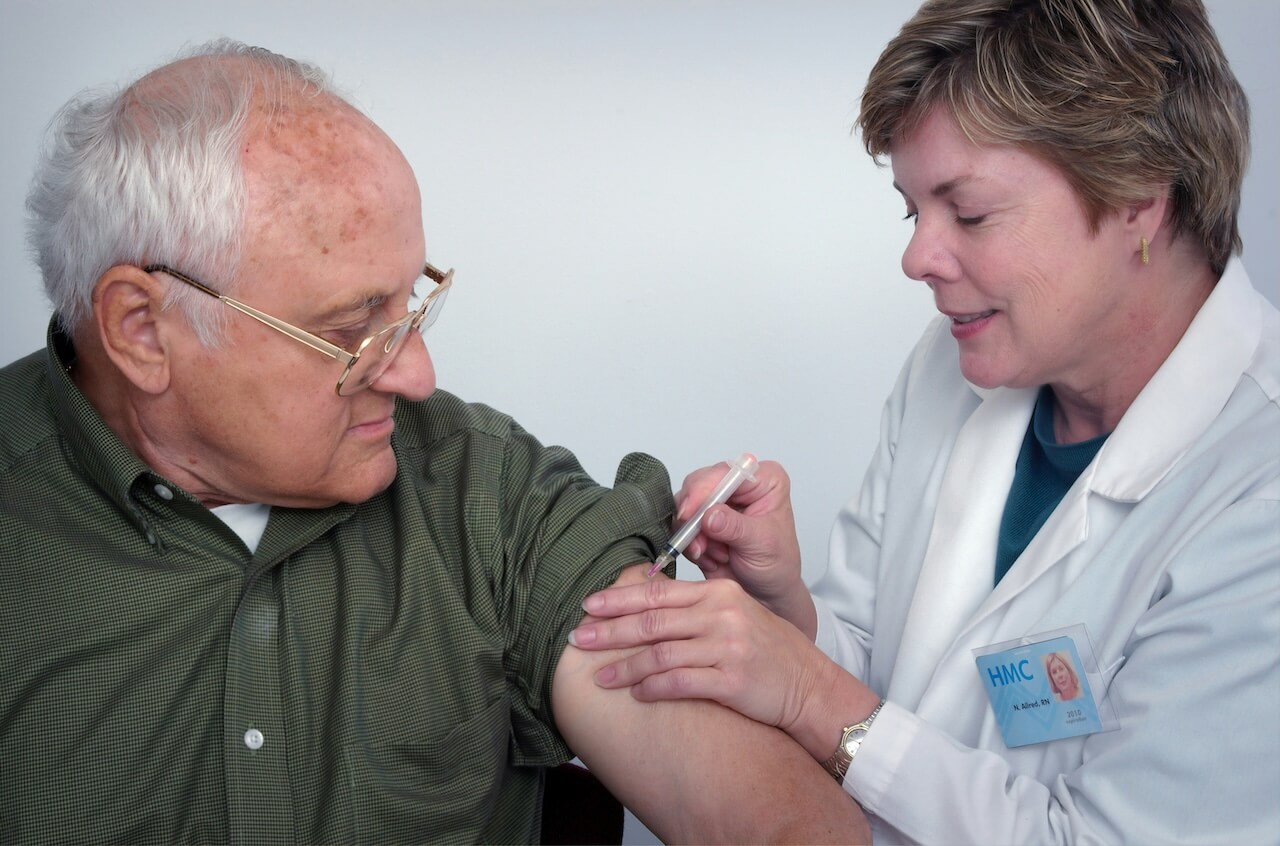
Keeping an up-to-date medication list and organizing daily doses prevents dangerous drug interactions. (Photo: Unsplash)
3. Encourage Balanced Nutrition and Hydration
A nutritious diet supports healthy aging and provides the energy and nutrients older adults need for daily activities.
Try to include a variety of nutrient-dense foods, such as vegetables, fruits, whole grains, protein foods, and other foods that fit the person’s dietary needs. The National Institute on Aging recommends choosing a variety of nutrient-dense foods across the major food groups. Hydration matters just as much unless a specific restriction is recommended.
4. Encourage Safe Physical Activity
Regular movement can help older adults maintain physical function, strength, mobility, balance, and independence.
The World Health Organization recommends regular physical activity for older adults, emphasizing functional balance and strength on three or more days a week as part of fall prevention efforts.

Meaningful conversations and emotional support make a tremendous difference in senior well-being. (Photo: Unsplash)
5. Support Mental Engagement and Social Connection
Physical health is only one part of healthy aging. Emotional well-being and social connection matter too. Encourage activities that the older adult enjoys, such as reading, listening to music, gardening, puzzles, crafts, or hobbies.
Regular contact with family and friends helps reduce loneliness and social isolation, which can otherwise affect both physical and mental health.
6. Maintain a Consistent Sleep Routine
Good sleep supports physical and mental well-being at every age. Most older adults generally need about seven to nine hours of sleep each night.
Help create a comfortable nighttime routine by keeping regular sleep and wake times and making the bedroom quiet and comfortable.

A consistent sleep routine and comfortable bedroom environment support healthy recovery and rest. (Photo: Unsplash)
7. Help With Personal Hygiene While Preserving Dignity
Bathing, brushing teeth, dressing, grooming, and other personal-care tasks can become difficult with age or reduced mobility. Offer assistance when needed, but avoid taking away independence unnecessarily. Approach personal hygiene with patience and respect.
8. Provide Emotional Support and Patience
Aging can bring major life changes, including reduced mobility, changes in independence, health problems, or the loss of loved ones. Caregivers should make time to listen rather than treating every conversation as a task.
9. Use Home Medical Equipment Responsibly
Some older adults may benefit from mobility aids, bathroom safety equipment, or other assistive devices. Specialized equipment should be selected following professional assessment and proper setup.
10. Prepare for Emergencies
A basic emergency plan can help caregivers respond more quickly when something unexpected happens. Keep important contact information easy to find, ensure the older adult knows how to call for help, and keep a first-aid kit available.
Common Mistakes to Avoid in Elderly Home Care
Ignoring meaningful changes in health or behavior. Allowing medication routines to become disorganized. Leaving walkways cluttered or difficult to navigate.
Doing everything for the older adult instead of encouraging safe independence.
Neglecting emotional and social needs.
Introducing new exercise or specialized medical equipment without considering health needs.
Quick Tips for Family Caregivers
Keep a current medication and appointment list. Check walking areas regularly for clutter and fall hazards.
Encourage safe movement appropriate for the person’s abilities.
Make regular time for conversation and social connection.
Keep commonly used items within easy reach. Final Takeaway
Caring for an elderly person at home requires patience, planning, and respect. A safer home environment, organized medication routine, balanced nutrition, appropriate physical activity, good sleep habits, social connection, and emotional support can all contribute to better day to-day care.
Sources & Fact-Checking References:
1. National Institute on Aging – Home Safety Tips for Older Adults. 2. U.S. Food and Drug Administration – 5 Medication Safety Tips for Older Adults.
3. National Institute on Aging – Healthy Eating, Nutrition, and Diet[span_87](start_span)[span_87](end_span) 4. World Health Organization – Physical Activity Recommendations for Older People[span_88](start_span)[span_88] (end_span)
5. National Institute on Aging – Loneliness and Social Isolation[span_89](start_span)[span_89](end_span) 6. National Institute on Aging – Healthy Sleep Habits for Older Adults[span_90](start_span)[span_90](end_span)
Editorial note: This article is intended for general informational purposes and is not a substitute for individualized medical advice.[span_91](start_span)[span_91](end_span)