Table of Contents
- Maintain Good Posture
- Engage in Regular Exercise
- Strengthen Core Muscles
- Practice Proper Lifting Techniques
- Stay Hydrated
- Ensure Quality Sleep
- Manage Stress
- Maintain a Healthy Weight
- Optimize Your Workstation
- Consider Regular Spinal Health Checkups
- Be Mindful of Daily Movements
- Conclusion
Maintaining a healthy spine is crucial for staying active and pain-free throughout life. Every day, simple yet effective actions can substantially lower the risk of back and neck issues. For those seeking expert care and guidance, consulting a neck pain specialist NYC can provide targeted solutions tailored to individual needs.
Your spine is the central support structure of your body and plays a crucial role in mobility and well-being. Creating a routine of spinal-healthy behaviors can yield big dividends, ensuring long-term comfort, better posture, and increased resilience against injuries.
Maintain Good Posture
Good posture forms the foundation for spinal health. Whether you are at your desk or going through your day, proper spine alignment is important. Stand with your ears over your shoulders and your shoulders lined up with your hips. If you are sitting, keep both feet flat on the ground, keep your knees bent at 90 degrees, and support your lower back. Consistently practicing good posture reduces uneven pressure on spinal discs and helps protect against chronic discomfort and injury.
Engage in Regular Exercise
Physical activity is one of the most effective preventative measures for spinal problems. Aim for at least 30 minutes of moderate movement such as walking, swimming, or cycling on most days to strengthen your back and surrounding muscles. Exercise not only boosts flexibility and blood flow but also aids in the regeneration of spinal tissues. According to the Mayo Clinic, staying active helps prevent and alleviate lower back pain.
Strengthen Core Muscles
Your core muscles directly support your spine and include the abdomen, pelvic floor, hips, and lower back. Regularly incorporating core-focused exercises such as planks, bridges, and gentle abdominal crunches can help stabilize your spine. A strong core means your spine bears less of the load during movement, reducing the likelihood of strain or injury.
Practice Proper Lifting Techniques
Spinal injuries can occur suddenly when lifting incorrectly. When picking up heavy items, keep your feet shoulder-width apart, bend from your hips and knees, never your waist, and grasp the object close to your body. Use your legs to lift and do not twist your torso, as this minimizes the pressure on your lower back.
Stay Hydrated
Water is a key component of spinal discs, which serve as shock absorbers between the bones in your spine. Adequate hydration throughout the day keeps these discs flexible and supports their ability to cushion spinal movement. Try to sip water regularly, and remember that caffeine and alcohol can dehydrate you.
Ensure Quality Sleep
Your spine regenerates and repairs during sleep, making quality rest vital. Choose a mattress and pillow that provide proper support and maintain your spine’s natural curvature. Sleeping on your back or side is generally best for minimizing spinal stress at night, and developing an evening routine can further improve the quality of your rest.
Manage Stress
Persistent stress can cause tension in the muscles of your neck and back, potentially contributing to pain or postural problems. Simple relaxation techniques, such as meditation, yoga, or even deep-breathing exercises, can help alleviate built-up tension and foster overall resilience. Making time for stress management activities every day supports both physical and emotional well-being.
Maintain a Healthy Weight
Excess weight, particularly stored around your abdomen, can dramatically increase the load on your lower spine. Maintaining a healthy body weight through balanced nutrition and consistent physical activity reduces this strain and supports proper spinal alignment.
Optimize Your Workstation
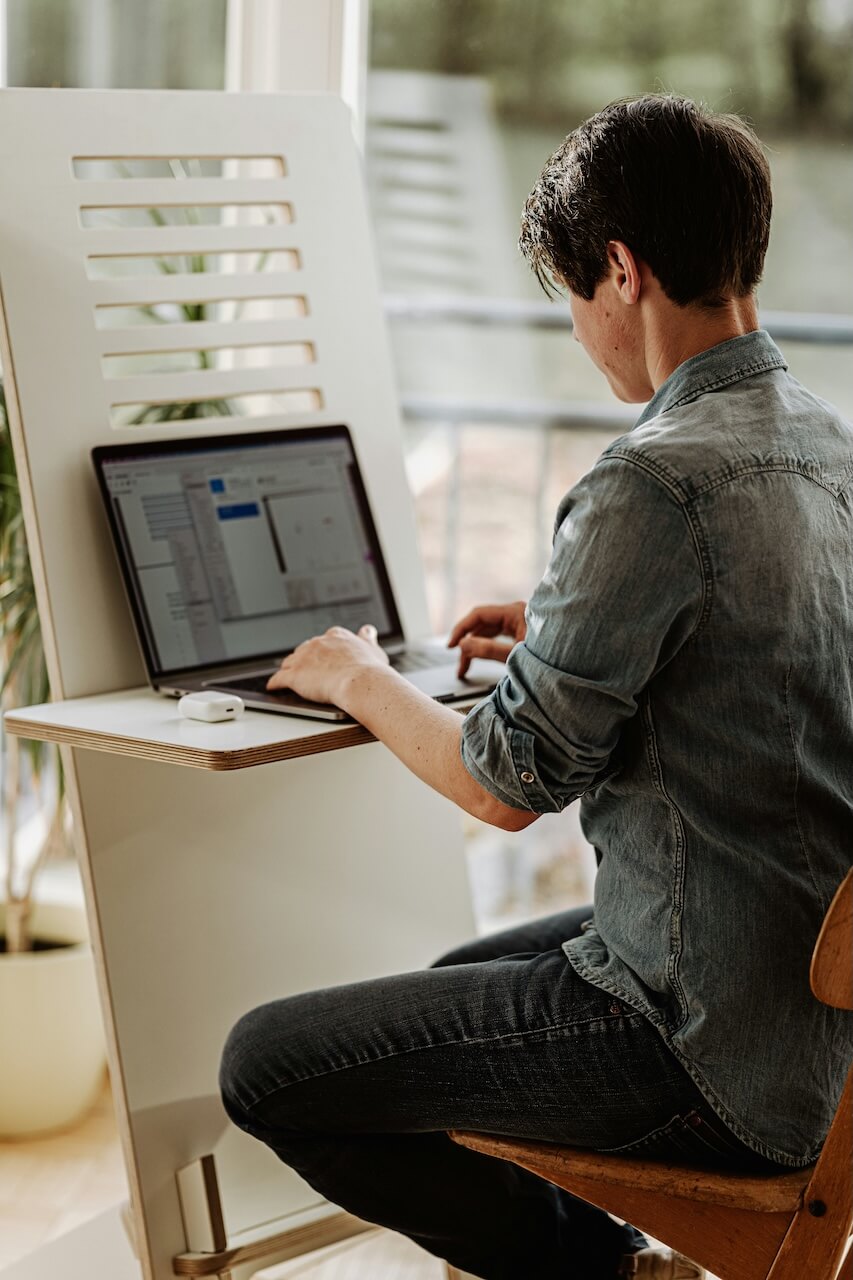
If you spend long hours at a desk, setting up an ergonomic workstation is essential for spinal wellness. Position your monitor at eye level to avoid neck strain, keep your keyboard and mouse at a comfortable height, and use a chair with adjustable lumbar support. Take short breaks every hour, stand, stretch, and walk around to prevent stiffness and promote circulation. Ergonomic accessories, such as standing desks and seat cushions, can further support your posture and reduce the risk of back or neck pain.
Consider Regular Spinal Health Checkups
Just as you schedule routine medical or dental appointments, incorporating spinal health checkups can be valuable, especially if you have a sedentary job or recurring discomfort. Early detection of potential problems, such as nerve impingement or mild misalignment, enables timely intervention and greatly increases the likelihood of a full recovery. Consult a chiropractor, orthopedic specialist, or physical therapist to discuss prevention, treatment, and strategies tailored specifically to your lifestyle.
Be Mindful of Daily Movements
Everyday movements like reaching, bending, or twisting can harm your spine if done carelessly. Practice mindful movement by engaging your core and moving slowly during activities like vacuuming, gardening, or sports. Use step stools instead of overreaching and stretch to break up repetitive motions, reducing muscle fatigue. Increasing body awareness can lower the risk of sprains or disc injuries. Adopting these habits can greatly improve spinal health and prevent problems. Small, consistent, mindful changes can lead to a healthier, pain-free life.
Conclusion
In conclusion, maintaining spinal health isn’t due to a single habit but a mix of consistent, mindful practices in daily life. From proper posture and staying active to strengthening core muscles and correct lifting, each action reduces strain and supports the spine’s natural alignment. Choices like staying hydrated, sleeping well, and managing stress also help keep the spine resilient. Long-term wellness depends on awareness and balance. Creating an ergonomic environment, maintaining a healthy weight, and being mindful of movements can lower injury risk. Regular checkups address issues early. By adopting these habits, individuals can protect their spine, boost well-being, and enjoy a more active, pain-free life.