Key Takeaways
- Start with your vehicle’s exposure to sun, highway debris, road salt, passengers, pets, and outdoor parking.
- Window film can help with glare, cabin comfort, and interior fading, but darkness alone does not determine heat performance.
- Paint protection film creates a physical barrier for high-impact areas on painted surfaces.
- Ceramic coatings can simplify washing and improve water behavior, but they do not stop rock chips or dents.
- Interior protection matters for Salem families, commuters, contractors, and anyone keeping a vehicle long term.
- Product quality, surface preparation, installation conditions, and aftercare all influence results.
Salem drivers deal with more than ordinary daily wear. Trips on I-93, winter road treatment, spring potholes, humid summers, and parking near busy retail areas can all affect a vehicle’s finish, glass, and cabin. A thoughtful protection plan begins by matching upgrades to local realities, whether that means window film for comfort or ceramic coating for cars in Salem, NH, to make exterior upkeep easier.
The best upgrade is rarely the most expensive one. Window film, paint protection film, ceramic coatings, and interior products solve different problems. Understanding where each option helps, and where its limits are, can help Salem vehicle owners protect a commuter car, family SUV, pickup, or weekend vehicle without paying for features they do not need.
Why Vehicle Protection Plans Look Different
Vehicle protection has become more tailored, with options such as computer-cut film patterns, clearer heat-rejecting window films, targeted coverage for vulnerable paintwork, and detailing packages tailored to actual driving conditions. For drivers searching for “automotive ceramic coating near me,” the goal should be to identify which surfaces need the most protection, rather than choosing a package based on appearance alone.
That matters in Salem, where one owner may spend the week commuting to Manchester or Massachusetts, while another mainly drives locally for school drop-offs and weekend errands. Considering parking habits, road exposure, weather, and maintenance needs can help determine whether a ceramic coating, window film, paint protection film, or combination of services makes the most sense.
Start With the Vehicle’s Main Needs
Before choosing products, consider how and where the vehicle spends its time. Highway mileage increases exposure to gravel, sand, insects, and road spray. Outdoor parking adds sun, pollen, tree sap, and bird droppings. Winter driving introduces slush and salt residue around rocker panels, wheels, carpets, and door jambs. Long-term owners may benefit from broader protection, while a short lease may call for a simpler approach focused on cleanability and the preservation of everyday appearance.
For drivers searching for automotive ceramic coatings, the most useful first question is not which package sounds strongest. It is whether washing ease, gloss retention, chip resistance, heat control, or interior durability is the real priority.
Window Film: Comfort, Glare, and Interior Care
Window film is often chosen for appearance, but its practical value can be just as important. It may reduce glare during bright morning or afternoon drives, improve cabin comfort, and limit sunlight exposure on upholstery and trim. Visible light transmission, often abbreviated as VLT, describes how much visible light passes through the glass-and-film combination. A lower number means a darker result.
Common options include dyed, metallic, carbon, and ceramic films. Dyed products may provide a darker appearance at a lower cost. Metallic films can manage heat but may affect some electronic signals. Carbon films are typically known for a neutral look, while ceramic films can offer strong heat rejection without relying on metal. A darker film does not automatically provide better heat control, so compare performance specifications instead of tint shade alone.
Window Film Questions to Ask
- What is the final VLT, including the factory glass?
- How does the film handle glare and solar heat?
- Will it interfere with toll tags, GPS, phone service, or radio signals?
- What curing time and cleaning method are recommended?
- Is the film appropriate for the vehicle’s cameras, sensors, and defroster lines?
Paint Protection Film: Where It Helps Most
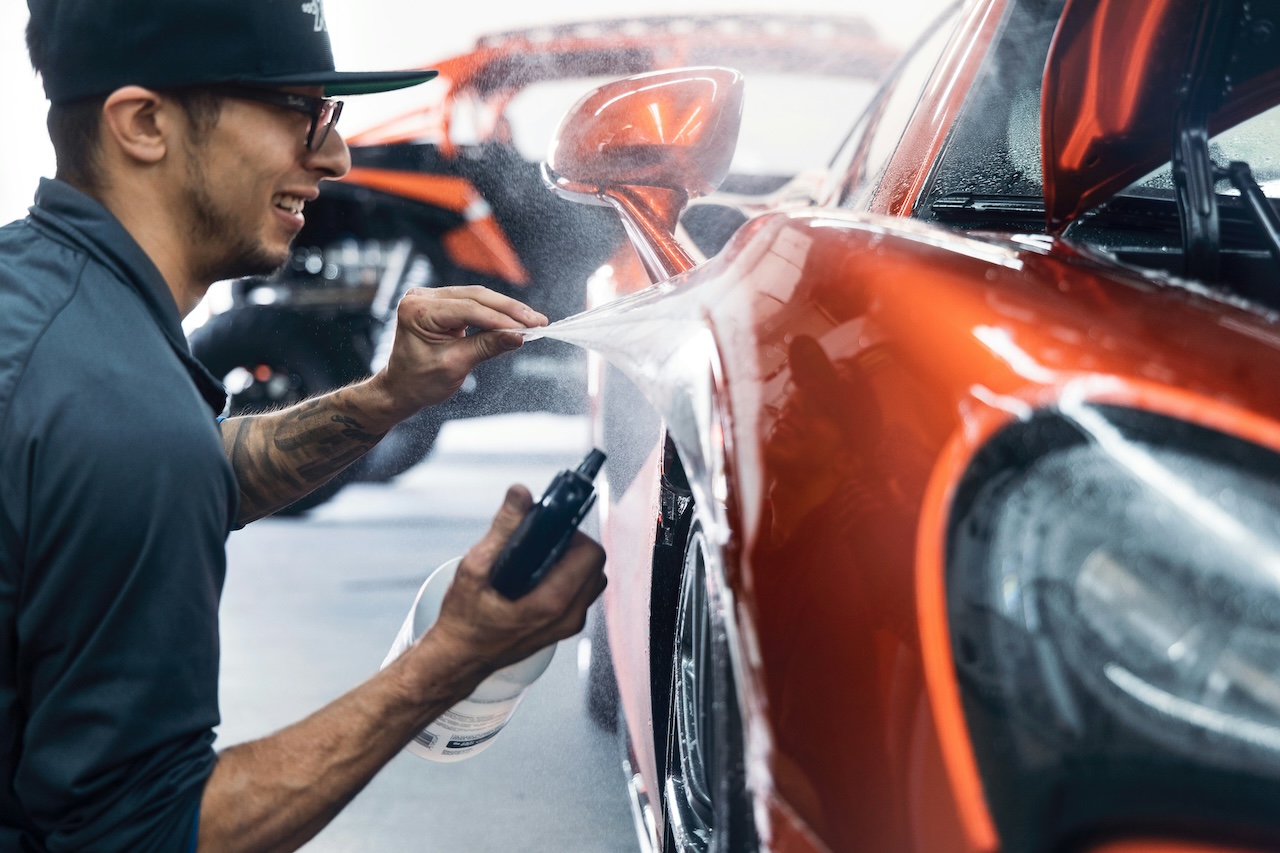
Paint protection film, often called PPF, is a clear physical film applied over painted surfaces. It is especially useful for Salem drivers who regularly encounter highway debris or rough winter roads. Rather than covering every panel, many owners choose high-impact areas first: the front bumper, the leading edge of the hood, the front fenders, the mirrors, the rocker panels, the door edges, and the loading lip behind the rear hatch.
A partial-front package can address the most exposed areas at a lower cost. Full-front coverage offers broader protection for vehicles that see frequent highway use. Full-vehicle coverage is an option for owners who prioritize a uniform protective layer. PPF can reduce damage from small stones, bug residue, minor scuffs, and light abrasion, but it cannot prevent every scratch, deep impact, or dent.
Ceramic Coatings: What They Can and Cannot Do
A ceramic coating is applied to properly prepared paint, creating a slicker, more water-repellent surface. That can make routine washing easier, especially after pollen season, wet spring roads, or salty winter conditions. It is not a substitute for paint protection film. A coating does not provide a thick impact barrier, so it will not make paint immune to rock chips, key scratches, or shopping-cart dents.
Preparation matters. Paint should be washed, decontaminated, and corrected as needed before coating application, because the coating will not hide existing swirls or defects. Afterward, use clean wash tools, avoid harsh automatic-car wash brushes when possible, dry the vehicle thoroughly, and promptly remove tree sap or bird waste.
Interior Protection for Salem Daily Drivers
Exterior protection gets attention, but interiors often show daily life first. Road salt, wet boots, pets, coffee, sports gear, work equipment, and children can wear down carpeting, seats, plastic trim, and cargo areas. Floor liners, cargo mats, seat covers, fabric protectants, leather conditioners, and sun shades can all help maintain a cleaner cabin and reduce long-term wear.
For spills, blot rather than rub. Use a cleaner designed for the specific material, test it in a hidden spot, and dry the area fully. This simple routine can prevent stains and lingering odors from becoming larger detailing problems.
Legal and Safety Checks Before Installation
New Hampshire drivers should verify tint requirements before selecting a shade. The state’s tinted-glass requirements prohibit aftermarket windshield tint except for a qualifying top strip, set a minimum light-transmission requirement of 70 percent for front side windows, and generally require at least 35 percent for rear windows. Vehicle type, mirrors, and medical permits can affect the details, so confirm compliance before installation.
Questions to Ask Before Choosing an Installer
- Which product best fits my driving habits and parking conditions?
- How will the paint, glass, or interior surface be prepared?
- Will film be computer-cut, and how are edges handled?
- What does the written warranty cover?
- What care products or wash methods should be avoided?
- Does the estimate list exact coverage areas and materials?
Conclusion
A practical Salem vehicle protection plan begins with real conditions, not trends. Window film can improve comfort and glare control, PPF can defend exposed paint, ceramic coatings can streamline maintenance, and interior upgrades can protect the spaces drivers use every day. By choosing the right combination for local roads, weather, mileage, and ownership goals, drivers can keep their vehicles looking better and working harder through every New Hampshire season.