Key Takeaways
- Peptides are short chains of amino acids with significant functional roles in the body.
- Applications of peptides extend to skincare, fitness recovery, immune support, and more.
- Understanding their benefits can empower individuals to incorporate peptides into their daily routines responsibly.
What Are Peptides?
Peptides are fundamental molecules, consisting of short chains of amino acids, that act as messengers within the body. By linking together, amino acids form peptides via peptide bonds, setting the stage for life-sustaining biological processes. These include hormone signaling, immune regulation, and intercellular communication. Because of their critical role in the body’s health and wellness, interest in peptides has grown beyond scientific circles, reaching consumers who wish to optimize various aspects of their daily health.
The growing popularity of peptides is due in part to their wide-ranging functions, which influence everything from skin health to cognitive performance. Their inclusion in wellness routines reflects an evolving understanding of how targeted bioactive compounds can support the body’s natural capacity for recovery and maintenance. From topical skincare products to oral supplements, peptides are finding their way into mainstream health practices.
In daily life, the appeal of peptides lies in their ability to modulate physiological processes without the complexity of longer protein chains. This makes them uniquely suited for specialized therapeutic and cosmetic uses. By tapping into their signaling potential, scientists and health professionals can develop targeted strategies for addressing common health and wellness concerns.
One area of growing research is the impact of peptides on hormone and immune function. Proper regulation of these bodily systems is essential for vitality and long-term health, and peptides may offer new avenues to enhance natural balance and resilience.
Men seeking holistic approaches for wellness may be interested to know that some peptides also influence vascular health, making related therapies relevant to erectile dysfunction treatment alongside other supportive interventions.
Peptides in Skincare
The application of peptides in skincare is one of the best-known examples of their versatility. These molecules can signal the skin to produce more structural proteins, such as collagen and hyaluronic acid, resulting in firmer, more resilient skin. As skin ages, natural collagen production declines, leading to wrinkles and loss of elasticity. Topically applied peptides have been shown in published research to help reverse these changes by supporting the skin’s innate repair mechanisms.
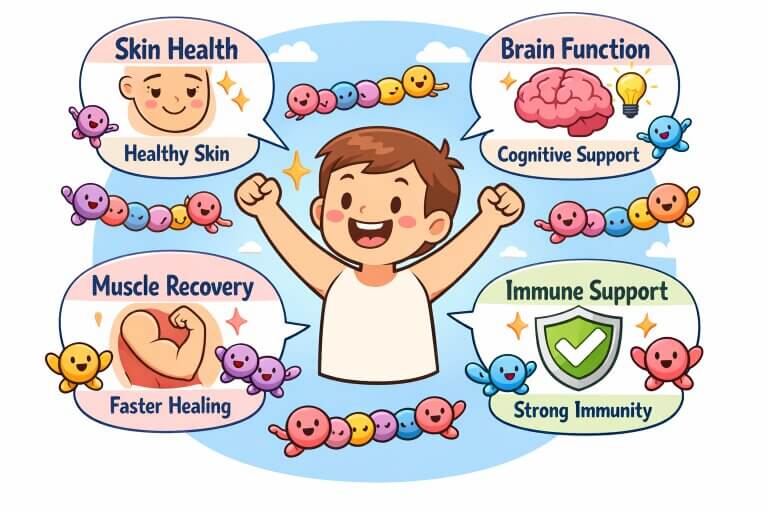
Peptide-based products often aim to hydrate, protect, and rejuvenate the skin, appealing to consumers seeking science-backed solutions for youthful appearance and improved texture. In skincare routines, integrating peptide-rich formulas can make a measurable difference in both preventive care and visible results over time.
Fitness Recovery and Performance
The fitness industry has embraced peptides for their potential to support muscle recovery, reduce inflammation, and prevent injuries. Research is ongoing into compounds such as BPC-157 and TB-500, which are thought to accelerate healing and aid tissue repair. Post-exercise soreness and prolonged recovery timelines can impact anyone from casual gym-goers to professional athletes, making targeted peptide strategies appealing for reducing downtime and improving overall performance.
Immune System Support
Immune function is another field where peptides demonstrate promise. Antimicrobial peptides are natural components of the body’s first line of defense, helping to neutralize pathogens and reduce infection risk. Other peptides modulate inflammatory pathways, playing a protective role in recovery from illness or injury. Emerging studies suggest these molecules may help maintain immune balance, fostering resilience in the face of everyday health challenges. For more information, consult resources from reputable medical sites such as WebMD.
Peptides and Cognitive Wellness
As research into the biology of mental clarity deepens, peptides are being studied for their effects on cognitive function. Certain antioxidant peptides appear to protect nerve cells by countering oxidative stress, which is linked to aging and cognitive decline. In addition, some bioactive peptides can modulate neurotransmitter activity, potentially improving memory, learning, and sustained focus.
Supporting Digestive and Gut Health
The gastrointestinal system relies on a delicate barrier to maintain optimal digestion and nutrient absorption. Some peptides help maintain this integrity, supporting robust gut function. Additionally, bioactive peptides may help balance the gut microbiome by supporting the growth of beneficial bacteria, which is essential for overall digestive and immune health. This has important implications for conditions such as leaky gut, bloating, and nutrient deficiencies.
Peptides and Weight Management
The connection between peptides and weight regulation stands out among current wellness trends. Several naturally occurring and food-derived peptides are studied for their ability to signal fullness to the brain and help control appetite. These findings may lead to innovative strategies for supporting a healthy weight, especially when combined with mindful eating and regular exercise. Incorporating peptide-based approaches should always be part of a comprehensive wellness plan, overseen by a healthcare provider.
Safety Considerations for Peptide Use
Despite their potential, using peptides responsibly is critical. The FDA has not approved many synthetic peptide supplements and has issued warnings regarding their possible adverse effects. Risks can include allergic reactions, contamination, and unintended side effects. For this reason, it is advisable to consult a medical professional before starting any regimen involving peptide therapy. Reliable information and professional guidance help ensure safe access to the benefits peptides may offer.
Peptides continue to inspire advancements in health and wellness science, demonstrating possibilities from the skin to the digestive tract, and even to cognitive health. Staying informed and collaborating with health providers allows individuals to make use of discoveries while prioritizing safety and overall well-being.